


Featured Galleries CLICK HERE to View the Video Presentation of the Opening of the "Holodomor Through the Eyes of Ukrainian Artists" Exhibition in Wash, D.C. Nov-Dec 2021
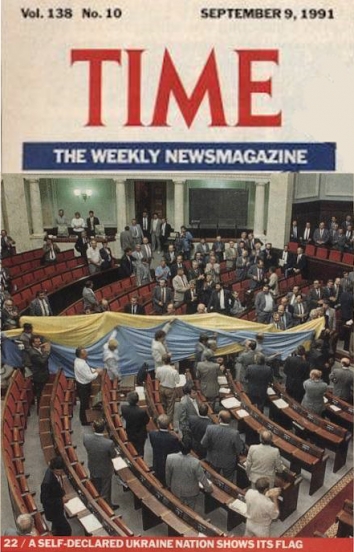
 USUBC COLLECTION OF OVER 160 UKRAINE HISTORIC NEWS PHOTOGRAPHS 1918-1997
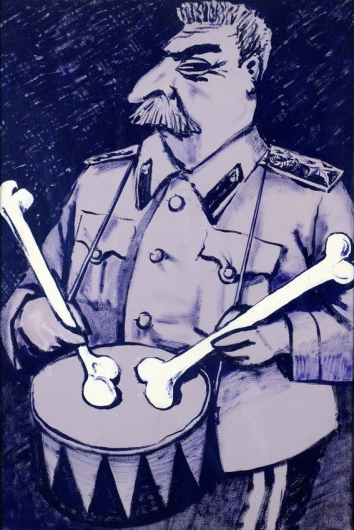
 "HOLODOMOR 1932-33: THROUGH THE EYES OF UKRAINIAN ARTISTS" - COLLECTION OF POSTERS AND PAINTINGS
 USUBC COLLECTION OF HISTORIC PHOTOGRAPHS ABOUT LIFE AND CAREER OF IGOR SIKORSKY PHOTOGRAPHS - INVENTOR OF THE HELICOPTER
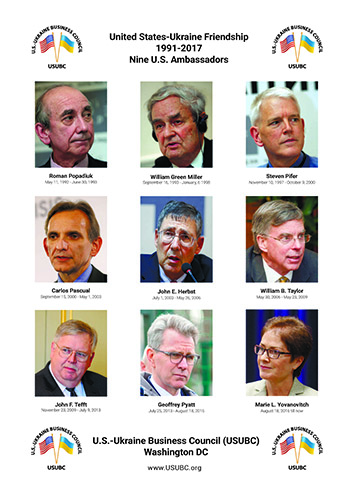
 Ten USUBC Historic Full Page Ads in the Kyiv Post




Top News
-
U.S.-UKRAINE BUSINESS COUNCIL
Celebrates Passage of Ukraine Security Assistance Bill
Thanks Speaker Johnson for moving bill forward for a vote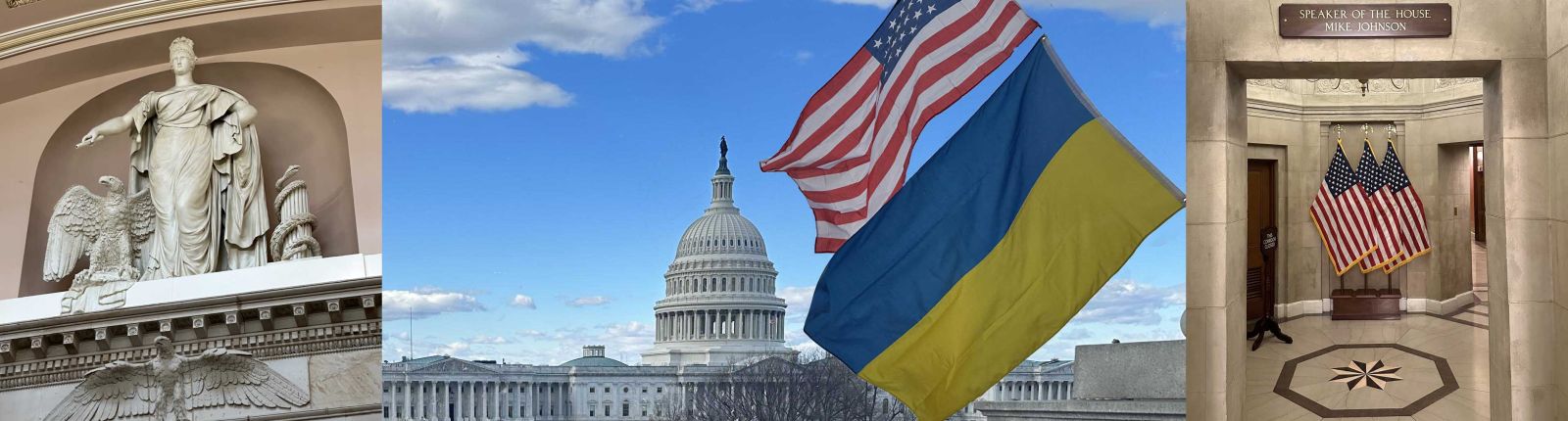
-
UKRAINE OPEN FOR BUSINESS
ISSUE 152 | April 02, 2024 Open4Business and the Interfax-Ukraine News Agency
Issue 152
Kyiv, Ukraine
April 02, 2024 -
Historic Repowering of Michigan’s Palisades Power Plant Closer to Reality as Holtec Obtains up to $1.52 Billion in Conditional Loan Commitment from the DOE
.jpg) Holtec International, Camden, NJ
Holtec International, Camden, NJ
March 27, 2024
Holtec is a member of U.S.-Ukraine Business Council (USUBC) -
An Open Letter to the G7
 U.S. - Ukraine Business Council (USUBC), Wash D.C.
 Mar 26, Tue, 2024
-
FEPA Webinar - International Dimensions March 21
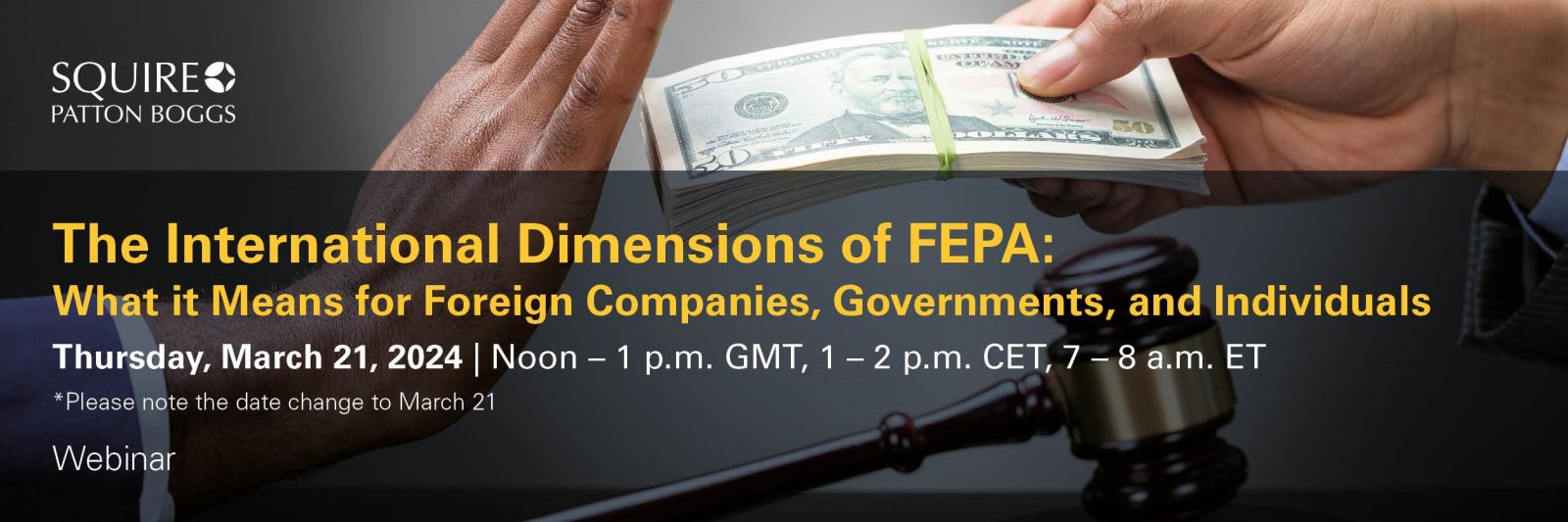 Squire Patton Boggs, Wash, D.C.
Thu, March 21, 2024 -
Oscar 2024: Materials That May Never Be Seen
 Ukrainian Freedom Fund
Sat, Mar 16, 2024 -
"20 Days in Mariupol": Ukraine's Oscar
Win Puts Russia's War Crimes Back
in International Spotlight By Peter Dickinson
Atlantic Council, Ukraine Alert
Wash, D.C., Mon, Mar 11, 2024 -
FY 2025 Budget: Supporting Ukraine
and Ensuring Russia’s Strategic Failure U.S. Department of State
Fact Sheet
Office of the Spokesperson
Wash, D.C., Mar 11, 2024 -
Recording of webinar: Rebuilding Ukraine: Political Risk Insurance
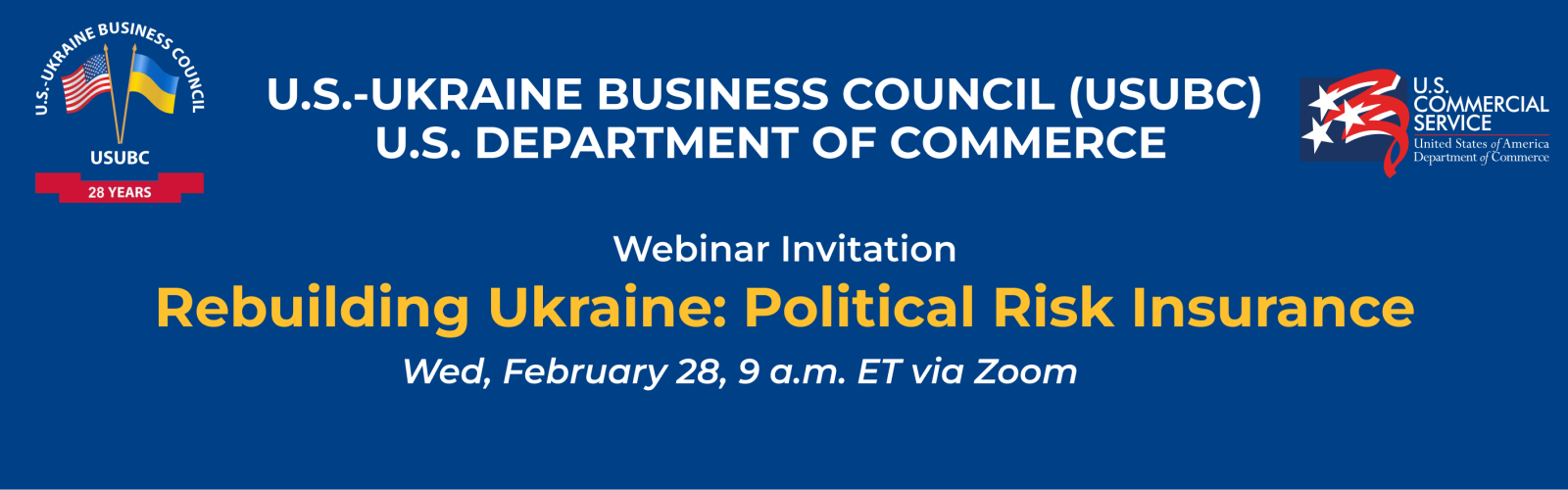 U.S.-Ukraine Business Council, U.S. Department of Commerce, Wed, Feb 28, 2024
 -
Rebuilding Ukraine: Political Risk Insurance
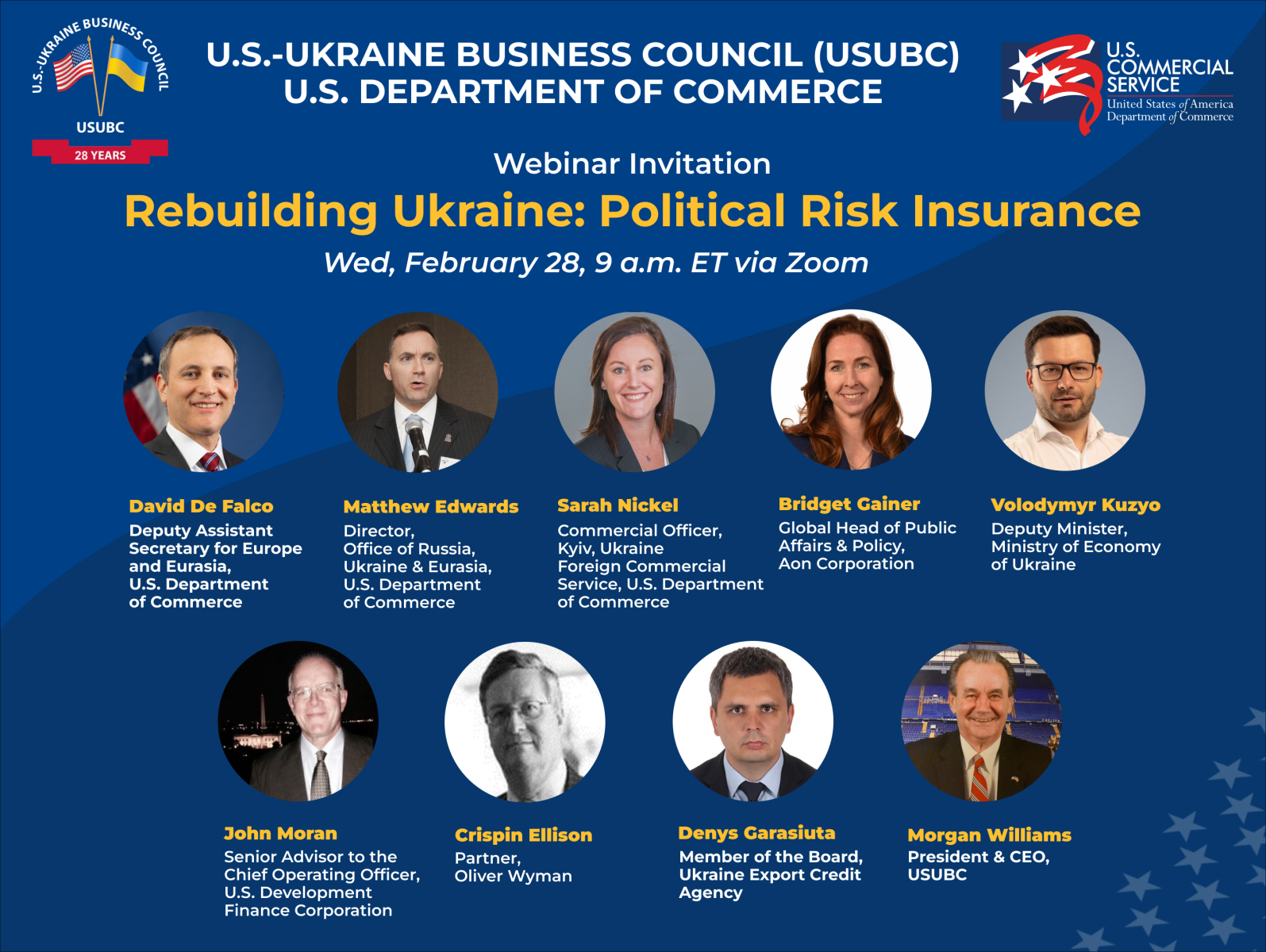 U.S.-Ukraine Business Council (USUBC) and the U.S. Department of Commerce webinar
Rebuilding Ukraine: Political Risk Insurance"
Wed, February 28th
at 9:00 a.m. EST, 4 p.m. Kyiv time
On ZOOM: -
Call to Action: Drones & Military Training
Reform for Defenders of Ukraine
CALL TO ACTION
ON THE SECOND ANNIVERSARY OF THE WAR
U.S.-Ukraine Business Council (USUBC)
Sat, Feb 2024, Wash, D.C. -
WHY WE ARE NOT GIVING UP ON UKRAINE
 Secretary of State, Antony J. Blinken
U.S. Department of State
Fri, Feb 23, 2024
Washington, D.C. -
National Symphony Orchestra of Ukraine
at Hylton Performing Arts Center, GMU National Symphony Orchestra of Ukraine will perform
at Hylton Performing Arts Center, Merchant Hall
George Mason University Science and Technology Campus
10960 George Mason Circle, Manassas, VA 20110
on Sun, Feb 25, 2024 at 2 pm
-
PUTIN’S WAR – TEN YEAR ANNIVERSARY – 10 YEARS!
 Thu, Feb 22, 2024
The U.S.-Ukraine Business Council (USUBC) is a member of the Friends of Ukraine Network.
https://usukraine.org/about/friends-of-ukraine-network/national-security-task-force -
SEIZING RUSSIA’S FROZEN $300 BILLION
IS LEGAL, URGENT AND RIGHT Vladimir Putin’s attack against Ukraine is also an assault erga omnes, “toward all.” Remember that term – the future of international law hinges on it.
Op-Ed by Andreas Kluth
Bloomberg, New York, NY
Thu, Feb 15, 2024 -
NEWS AND OPPORTUNITIES
 Lviv Investment Office
Lviv City Council
January 2024 -
OPINION: FOR A US STRATEGY ON UKRAINE
 The United States must declare that its goal is for Ukraine to win and, at long last, must make it the main US policy. And the corollary is that Russia must be defeated.
Op-Ed by Anders Aslund, USUBC Senior Advisor
Kyiv Post, Kyiv, Ukraine, Fri, Jan 26, 2023 -
GEOPOLITICS 101 - FOR 24/25
Commentary & Analysis
Timothy Ash (RBC Bluebay)
London, UK, Thu. Jan 25, 2024 -
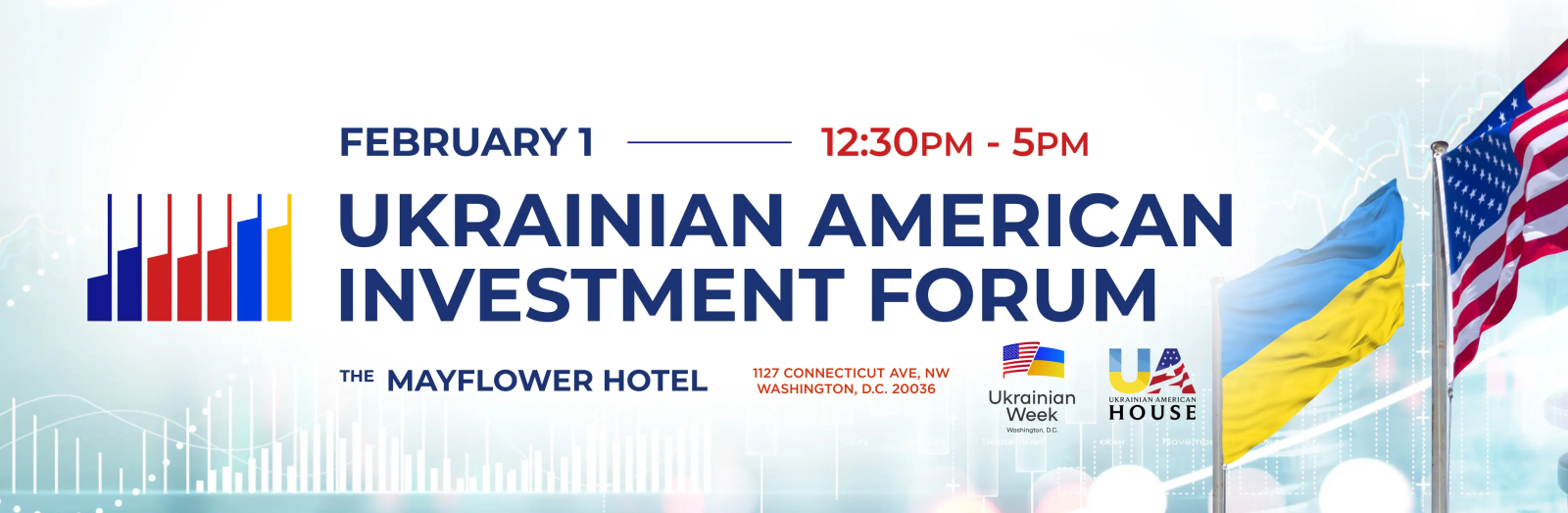
Ukrainian American Investment Forum
 REGISTER
Thu, Feb 1, 2024, Mayflower Hotel, 12:30 - 5 pm
Washington, D.C.
UA House in California, U.S-Ukraine Business Council, Great Founders -
Kyiv International Cyber Resilience Forum. RESILIENCE AT THE CYBER WAR
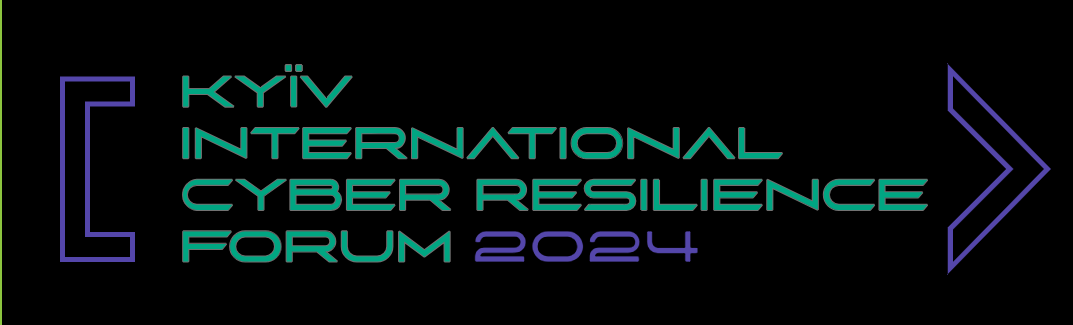 Wednesday, Feb 7, 2024, Kyiv, Ukraine
REGISTER
More information about speakers and forum: https://cyberforumkyiv.org/en/ -
Cyber Defenders Reintegration Program 2024
 CRDF Global, Kyiv, Ukraine
January, 2024
Deadline for applying is February 4, 2024
CRDF Global is a Member of USUBC -
USUBC & DFC: Forging Ukraine's Economic Future
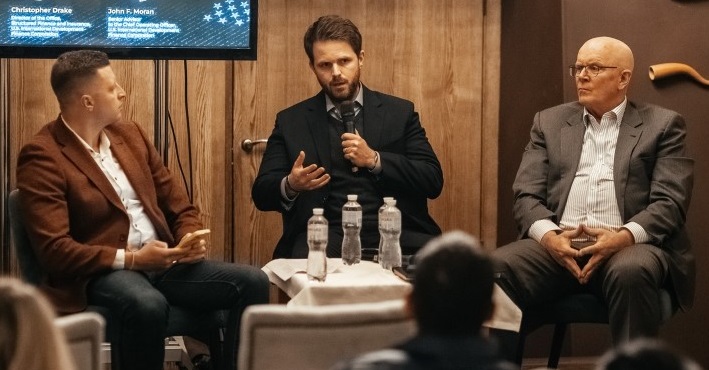 USUBC in-person members meeting with
Christopher Drake, Director of the Office of Structured Finance and Insurance
John F. Moran, Senior Advisor to the Chief Operating Officer at the U.S. International Development Finance Corporation (DFC)
Tue, January 23, 2024, Kyiv, Ukraine -
Webinar Invitation. The New Foreign Extortion Prevention Act (FEPA): What it means for US Companies.
 Tuesday, January 30, 2024
12 pm - 1pm. REGISTER
Organized by Squire Patton Boggs, a member of USUBC
Tom Firestone, Partner, is a Member of the Executive Committee of the USUBC -
US support for Ukraine: The difference between victory and defeat
 BY DAVID J. KRAMER, Amb. JOHN HERBST, AND Amb. WILLIAM TAYLOR, Senior Advisors of USUBC
Sun, Jan 21, 2024, The Hill, Wash, D.C. -
To win the war with Russia, US support for Ukraine’s economy is essential
.jpeg) Op-Ed by Penny Pritzker, special representative for Ukraine’s Economic Recovery at the U.S. Department of State.
Op-Ed by Penny Pritzker, special representative for Ukraine’s Economic Recovery at the U.S. Department of State.Sun, Jan 21, 2024, The Hill, Wash, D.C.
-
2ND FUTURE OF UKRAINE SUMMIT
 Join the pivotal THE FUTURE OF UKRAINE SUMMIT in Stockholm.This event is crucial for those in the innovation and project management sectors, focusing on Ukraine. Up to 200 delegates, including VC and Angel Investors, Corporate Investors, and Startups, will collaborate and share insights.
Date: February 15-16, 2024
Venue: Stockholm, Sweden
-
Business Luncheon with Liudmyla Yenina
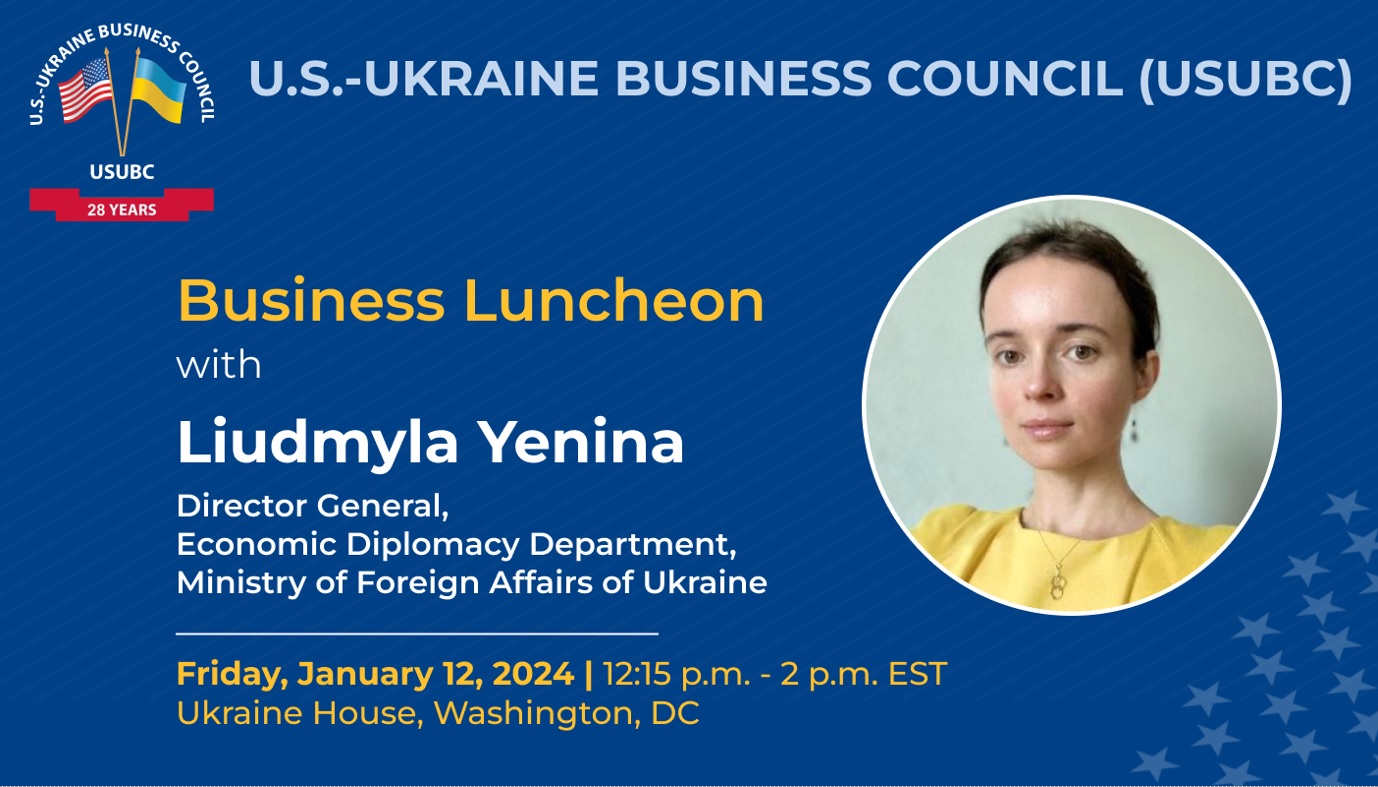 U.S.-Ukraine Business Council (USUBC) Business Luncheon
with Liudmyla Yenina, Director General of the Department for
Economic Diplomacy, Ministry of Foreign Affairs of Ukraine on
Friday, January 12, 2024
Ukraine House, Washington, DC 20008 -
Logistics Plus Manages Complex Delivery of First Non-Grain, U.S.-Managed Ship To Ukraine’s Port of Chornomorsk Since the Onset of the War
 The overall project comprised 22 thousand tons of pipes and ended with over 1,000 trucks making the final, successful deliveries.
Logistics Plus, Inc. (LP), ERIE, PA, Fri, Dec 8, 2023
Logistics Plus is a member of U.S.-Ukraine Business Council (USUBC) -
REPORT FROM UKRAINE:
MILITARY TRAINING REFORM
Wednesday, Jan 10, 2024, 5 pm-7pm Army Navy Club, Washington, DC
Join us for a compelling discussion both online and in-person (over capacity now) at the Army Navy Club in Washington, D.C.
Organized by the Ukrainian Freedom Fund with the support of the U.S.-Ukraine Business Council (USUBC), this event explores the crucial steps Ukraine needs to take to enhance its offensive capabilities, focusing on training, equipment, and operations.
Online registration for Zoom viewing is open to all. Please adhere to the Army and Navy Club's dress code: coat and tie for gentlemen, commensurate business attire for ladies.
-
YEAR 2024
RUSSIA'S VIOLENT WAR AGAINST UKRAINE RAGES ON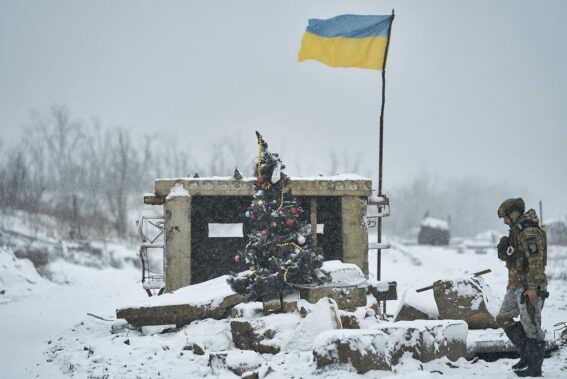 More support is needed from the U.S. & Europe until there is victory over Putin's aggression, wrath, fury and destruction.
U.S.-Ukraine Business Council
Wash, D.C., Thu, Dec 28, 2023